Burst or Failed Supply Line
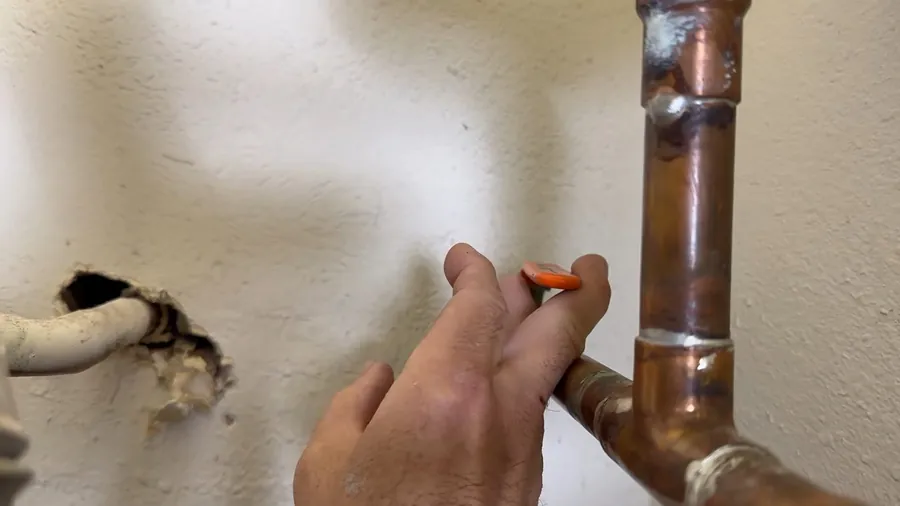
Galvanized supply lines in Lakewood's pre-1960 homes can fail at fittings, joints, or along corroded pipe walls. A burst supply line releases water into the wall cavity, floor system, or crawlspace and requires immediate shutoff and repair. Copper lines with pinholes can also escalate from a slow drip to a more serious failure when the surrounding slab shifts or the pipe wall gives way.
Active Slab Leak
A slab leak that is actively damaging the slab, subfloor, or flooring material is an emergency. Signs of an active slab leak include visible water at the floor surface, a warm area on the floor above a hot water line, or a water meter that is running with all fixtures off. Slab-on-grade construction throughout Lakewood puts supply lines in direct contact with the concrete, and an uncontrolled leak can cause significant structural and moisture damage quickly.
Sewer Backup or Drain Overflow
When sewage backs up into the lowest fixtures in the house, typically the main floor toilet or floor drain, it indicates a mainline blockage or sewer lateral failure. This is an emergency that requires immediate camera inspection and clearing. Clay laterals in Lakewood's pre-1965 homes are particularly susceptible to root intrusion and joint failures that can cause sudden backups.
Water Heater Failure
A water heater that is actively leaking, has a failed pressure relief valve discharge, or has failed completely in a home with medically vulnerable residents is an emergency call. Tank leaks from failed anode rods or corroded tank bases can damage flooring and the surrounding cabinetry if left unaddressed overnight.
No Water to the House
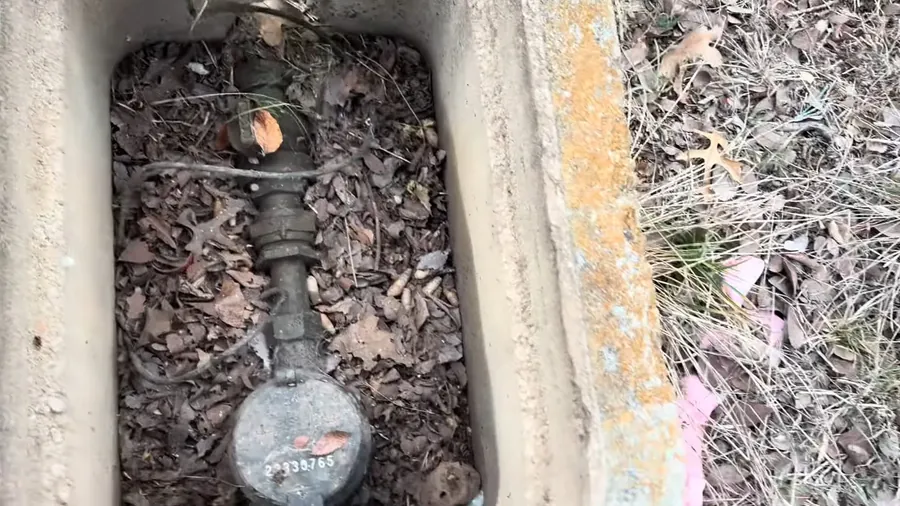
A complete loss of water supply to the house that is not due to a city shutoff can indicate a failed service lateral, a failed main shutoff valve, or a catastrophic supply line failure inside or under the slab. If the city main is confirmed to have water pressure, the problem is between the city meter and your fixtures and requires immediate diagnosis.