
Licensed & Insured · 24/7 Emergency Plumber · Serving Lakewood & SE LA Call (562) 358-3931

How Slab Leak Detection Works Without Breaking Concrete

The most common fear Lakewood homeowners have about slab leaks is that finding the leak requires breaking up large sections of their floor. Modern non-destructive detection methods locate the failure point to within a few inches before any concrete is opened.

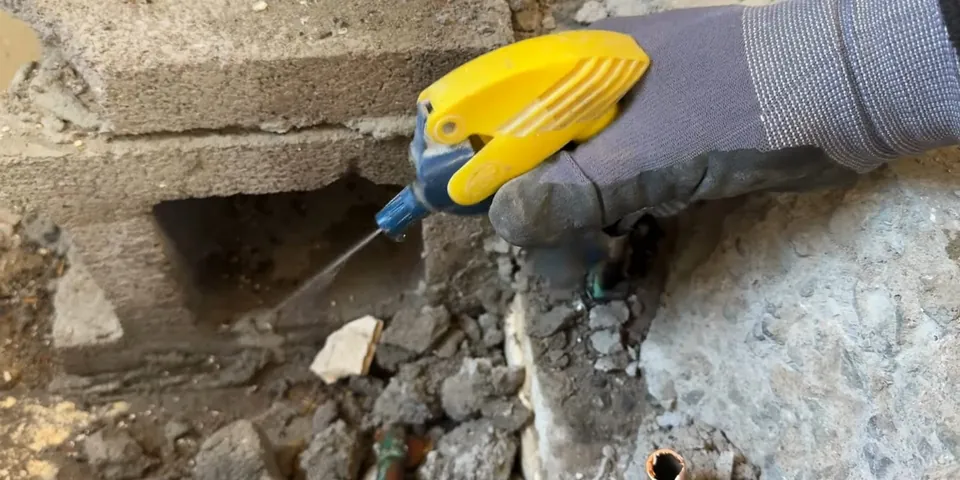
Exposed underground pipe located during leak detection for How Slab Leak Detection Works Without Breaking Concrete
The visible exposed underground pipe located during leak detection shows what technicians look for during How Slab Leak Detection Works Without Breaking Concrete work.

Why Locating the Leak Precisely Matters

In a Lakewood slab-on-grade home, the supply pipes run through or under the concrete slab. A slab leak is a failure in one of those under-slab pipe sections, but the symptoms visible at the surface (a warm spot on the floor, elevated water usage, or a wet spot in the carpet) typically appear at a different location from the actual pipe failure. Water travels along the path of least resistance from the failure point, which means it can migrate several feet horizontally before appearing at the surface. Without detection equipment that localizes the failure directly at the pipe, the access opening required to repair the leak could be many feet away from the symptom location and could miss the actual leak entirely.

Non-destructive detection equipment allows us to pinpoint the failure point to within a few inches before any concrete access is opened. This precision reduces the size of the access opening, reduces the amount of floor covering that needs to be removed, and ensures that the first concrete access leads directly to the failed section of pipe rather than requiring multiple exploratory openings. For Lakewood homeowners with tile floors or polished concrete, precision detection before any access is especially important because tile and decorative concrete is difficult and expensive to restore after unnecessary access openings.

The Three Detection Methods We Use in Lakewood

Acoustic Leak Listening

Acoustic leak detection is the primary method for locating slab leaks in Lakewood homes. When water escapes through a pinhole in a supply pipe under pressure, it produces ultrasonic sound energy as it forces through the tiny opening. Electronic sensors placed on the slab surface can detect this ultrasonic signal, which travels through the concrete from the pipe below. We use microphone probes placed at multiple positions on the slab surface, comparing signal strength at each position to triangulate the location of strongest signal, which corresponds to the location of the pipe failure below. Acoustic detection is effective for both hot and cold supply line failures, can localize leaks through tile, carpet, and other floor coverings without removing them, and works through concrete slabs of standard residential depth.
Thermal Imaging and Infrared Detection

When a hot water supply line fails under the slab, the escaping hot water heats the concrete above the failure point. A thermal imaging camera detects the temperature differential between the warm area above the leak and the surrounding concrete, displaying it as a visible hot spot on the camera screen. Thermal detection is limited to hot water supply failures (cold water slab leaks produce no thermal signature), but it provides a very clear visual confirmation of a hot supply line failure location. We typically use thermal imaging as a secondary confirmation method after acoustic detection identifies an approximate area, because the thermal image confirms the actual temperature anomaly at the slab surface, which is the most reliable indicator of failure location when a hot supply line is involved.

Electronic Pipe Correlation

For laterally extensive supply runs, especially longer main supply lines running under large sections of the Lakewood Park Corporation's original 1950s slab homes, electronic pipe correlation provides more precise localization than acoustic listening alone. Correlation equipment sends an electronic signal through the pipe and compares the noise signature at two different access points (typically at the water meter and at a fixture valve) to calculate the distance from each end to the failure point. This distance calculation narrows the failure location to a specific section of the pipe run that can then be confirmed with acoustic listening from above. Correlation is particularly useful for longer pipe runs or for situations where acoustic signal is attenuated by floor covering or slab thickness.

How We Use These Methods Together in Lakewood Homes

For most slab leak detections in Lakewood, the sequence is: first, confirm that there is an active supply loss by performing a pressure test (shutting all fixtures and valves and measuring whether supply pressure drops over a fixed period); second, determine whether the loss is in the hot supply, the cold supply, or the service lateral by isolating each section; third, perform acoustic listening at grid points across the slab to identify the highest-signal zone; fourth, use thermal imaging (for hot supply line failures) or additional acoustic narrowing to pinpoint the failure location; and fifth, confirm the location with a final precise acoustic check before marking the access point.

This sequence typically takes one to two hours for a standard Lakewood Park Corporation-size home (1,100 to 1,400 square feet). Larger homes or homes with complex previous repair histories that affect the pipe routing may take longer. After detection, we provide a written location finding and present the repair options (spot repair, slab reroute, or whole-home repipe) with written estimates for each applicable option before any work begins.

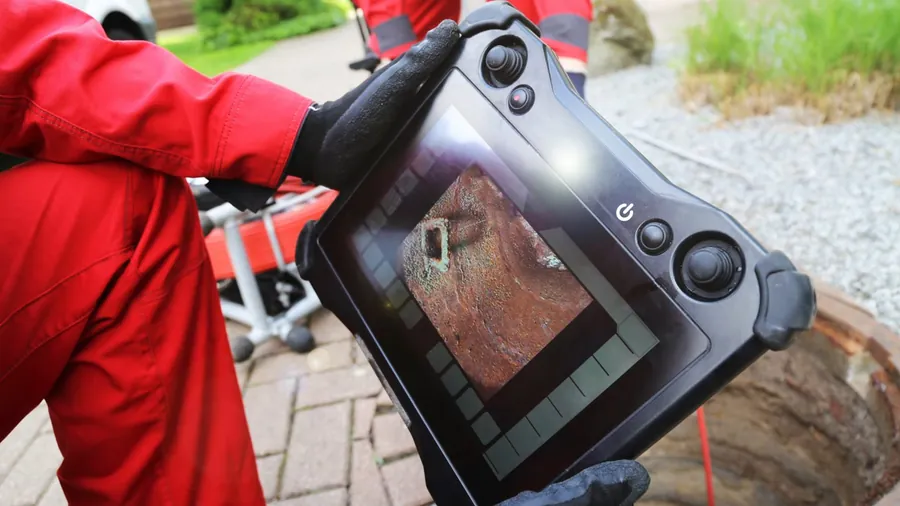
Thermal imaging camera checking a plumbing leak area for How Slab Leak Detection Works Without Breaking Concrete
This view of thermal imaging camera checking a plumbing leak area helps explain the repair details discussed for How Slab Leak Detection Works Without Breaking Concrete.

What Happens After the Leak Is Located

Once the failure point is precisely located, the repair options are the same three that apply to any Lakewood slab leak: spot repair at the failure point through a targeted concrete access, slab reroute to bypass the failed section with above-slab PEX, or whole-home repiping to replace the entire supply system. The detection finding informs which option is most appropriate: if the detected failure is isolated to a specific short section of pipe in an otherwise sound system, spot repair or reroute may be the right choice; if the detection reveals a failure in a system that has multiple other sections showing acoustic activity (indicating additional deterioration), whole-home repiping is likely the more cost-effective long-term option.

We provide written estimates for all applicable repair options as part of every slab leak assessment, so you have a complete picture of your choices before committing to any approach.

Questions to Ask Any Slab Leak Service in Lakewood

When hiring a slab leak detection service in Lakewood, four questions help you evaluate whether the service is appropriate for your home. First, what specific detection equipment do you use? The answer should name at least one of the three methods described above (acoustic, thermal, or correlation). Second, do you provide written repair estimates for all applicable options before any work begins? The answer should be yes; any service that proceeds directly to repair without presenting written options is not giving you the information you need to make a sound decision. Third, does the detection cost apply toward the repair if you proceed with the same company? Many reputable services apply the detection fee toward the repair estimate. Fourth, are you a licensed California C-36 Plumbing Contractor? Slab leak repair requires concrete access and supply line work that constitutes licensed plumbing contractor scope in California.

We use acoustic listening, thermal imaging, and correlation equipment for all Lakewood slab leak detections, provide written repair option estimates before any access is opened, and hold a current California contractor license. Call (562) 358-3931 for slab leak detection anywhere in Lakewood and our SE LA service area.

Slab Leak Detection in Lakewood, CA

Acoustic, thermal, and correlation detection. Written repair options before any access is opened. Serving Lakewood and SE LA, 24/7.

Call (562) 358-3931