
How to Read Your Lakewood Water Meter to Check for Hidden Leaks
Reading your Lakewood water meter takes about two minutes and can reveal whether your home has an active supply leak before you receive a high water bill. Here is exactly how to do it.
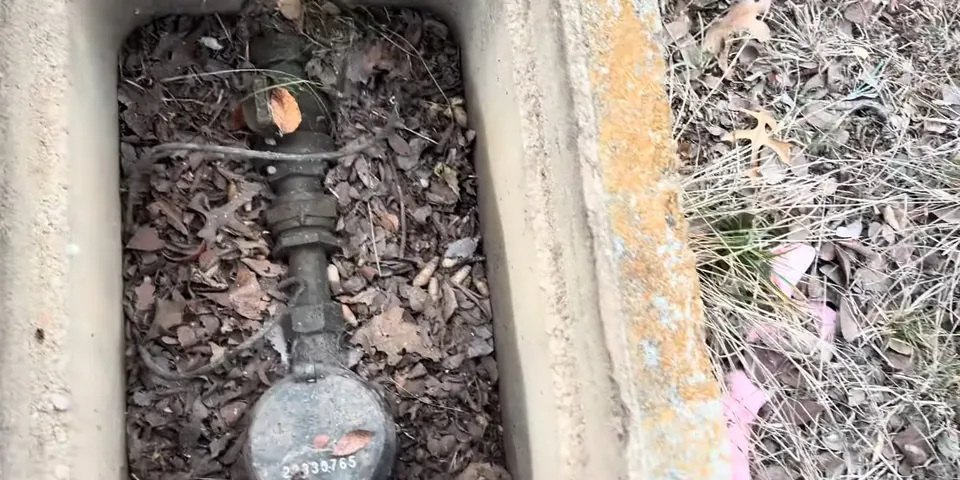
Where to Find Your Lakewood Water Meter
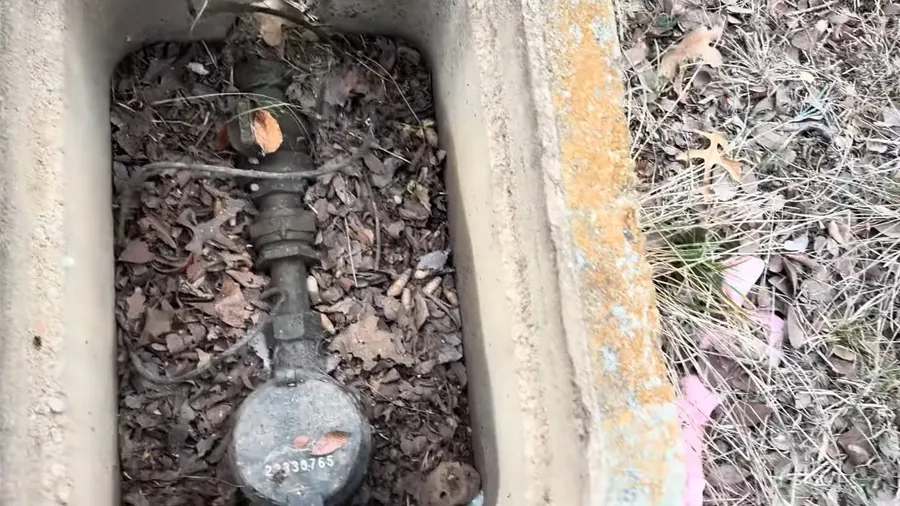
In most Lakewood homes, the water meter is located at the street or curb in a concrete or plastic meter box set flush with or slightly below the ground surface, typically in the public sidewalk or in the parkway strip between the sidewalk and the street. The meter box has a removable lid, usually marked "WATER" or with the water utility logo. In some Lakewood properties, particularly on corner lots or properties with unusual setbacks, the meter may be in a different location; if you cannot find the meter box near your street curb, the water utility can confirm the meter location on file for your service address.
To access the meter, use a flat pry tool or flathead screwdriver to lift the meter box lid at the notch or edge. Inside the box you will find the meter itself, typically a brass housing with a glass or plastic register face visible on top. Before reading the meter, note whether there is standing water in the meter box; standing water in the meter box does not necessarily indicate a leak in your property's supply, as groundwater can enter the box through the soil, but it does indicate that the meter box may need to drain before the register face is clearly visible.
Reading Your Lakewood Water Meter
Dial-Type Meters
Older Lakewood water meters use a dial-and-register face similar to a mechanical odometer. The main register displays the total cumulative water use in units of cubic feet or gallons (your meter face will indicate which unit). Read the digits on the register from left to right, including any digits behind a covering plate that sweeps across the register face. In addition to the main register, dial meters have a low-flow indicator, typically a small triangle, star, or sweep dial that rotates whenever any water is flowing through the meter. To check for a leak, use this indicator: if the low-flow indicator is moving when all fixtures and valves in the house are fully closed, water is flowing through the meter from the supply side, indicating an active supply loss somewhere between the meter and the fixtures.
Digital and Encoder Meters
Newer Lakewood water meters use digital or encoder-type displays that show the current reading digitally when exposed to light (shining a flashlight on the display may be necessary in a shaded meter box). Digital meters still have a low-flow indicator, typically a continuous display element that shows a drop symbol or flow indicator symbol when water is flowing. Some digital meters also display a flow rate when water is actively moving through the meter, which allows you to estimate the volume of the active supply loss. Check your meter face for a "flow rate" or "rate" display option if the current meter is digital.
The Leak Check Test: Step by Step
The standard homeowner leak check using the water meter takes approximately 30 to 60 minutes and requires no tools other than the ability to read the meter. Follow these steps. First, close all water-using fixtures and appliances in the house: all faucets, showers, the washing machine and dishwasher (confirm both are off and not mid-cycle), the irrigation controller (switch to the off position rather than just confirming no zones are running, since a faulty valve can allow flow even in the off position), and the ice maker water valve if your refrigerator has one. Second, record the exact meter reading and note whether the low-flow indicator is moving. Third, wait 30 minutes without using any water in or around the house, and without flushing any toilets. Fourth, return to the meter and check: if the reading has changed or the low-flow indicator is still moving, water has passed through the meter during the test period, indicating an active supply loss. Fifth, to narrow down whether the loss is in the supply line between the meter and the house shutoff or inside the house, close the main shutoff valve at the house (typically at or near the water heater or at the pressure regulator valve where the supply enters the house); if the meter stops moving after closing the house shutoff, the loss is inside the house; if the meter continues moving, the loss is in the supply line between the meter and the house shutoff, which is typically the property owner's responsibility to repair.
Common Sources of Hidden Water Loss in Lakewood Homes
If your Lakewood water meter confirms active flow with all fixtures off, the most common sources in order of likelihood for a 1950s to 1960s Lakewood home are: a running toilet (the most common residential water loss in any home; a toilet fill valve that does not fully close allows continuous flow from the tank to the bowl, which is silent and often not noticed without a dye test); a slab leak in the supply pipe under the concrete floor (water flowing through a pinhole in the slab-enclosed galvanized or copper supply produces the same meter flow indication as a fixture leak but is not visible anywhere on the surface until the volume is large enough to appear as a wet spot); an irrigation system valve that does not fully close; and a leaking water softener or whole-home filtration system that is in the regeneration cycle.
To check for a running toilet, add food dye or a dye tablet (available at hardware stores) to the toilet tank and wait 15 minutes without flushing; if color appears in the bowl, the flapper or fill valve is allowing tank water to flow to the bowl. To check for a slab leak after ruling out the toilet and irrigation, the meter test confirms active supply loss and the acoustic detection methods described in our slab leak detection guide are the appropriate next step.
When to Call a Plumber for Leak Detection in Lakewood
Call a licensed Lakewood plumber for professional leak detection when the meter test confirms active flow with all fixtures closed and the common causes (toilet, irrigation) have been ruled out, or when the meter shows significant flow that is not accounted for by any known fixture issue. In a Lakewood home with galvanized or early copper supply at 60-plus years of age, active supply loss confirmed by the meter test but not visible anywhere in the house is a high-probability indication of a slab leak. The appropriate professional response is acoustic and thermal detection before any concrete is opened, as described in detail in our slab leak detection service page. Call (562) 358-3931 for leak detection anywhere in Lakewood and our SE LA service area.
Professional Leak Detection in Lakewood, CA
If your meter confirms a hidden leak, we locate it without unnecessary concrete access. Serving Lakewood and SE LA, 24/7.
Call (562) 358-3931