Licensed & Insured · 24/7 Emergency Plumber · Serving Lakewood & SE LA Call (562) 358-3931

Annual Plumbing Checklist for Lakewood Homeowners

Lakewood’s 1950s to 1960s housing stock has plumbing systems that are now 60 to 75 years old. Annual maintenance checks specific to this housing era catch developing problems before they become emergencies.

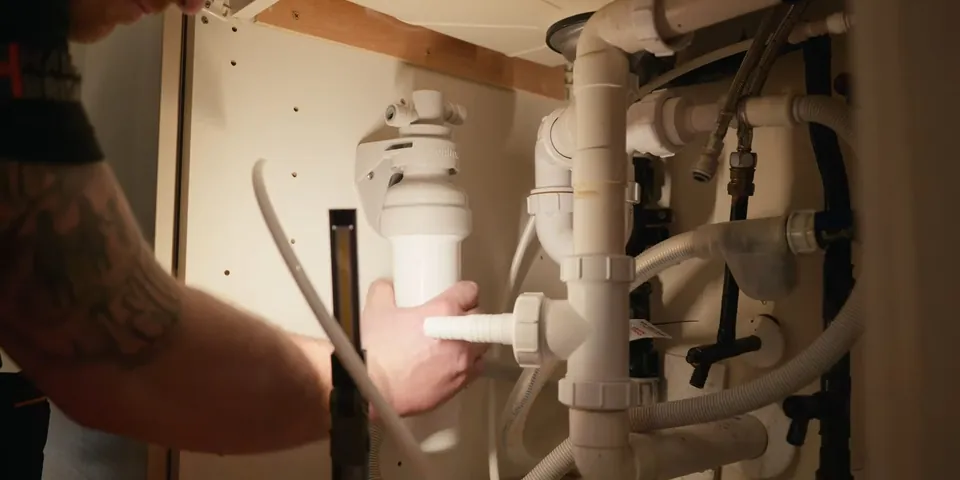
Sink faucet and under-cabinet plumbing connection for Annual Plumbing Checklist for Lakewood Homeowners
A close look at sink faucet and under-cabinet plumbing connection shows why careful diagnosis matters for Annual Plumbing Checklist for Lakewood Homeowners.

Why Preventive Maintenance Matters More in Older Lakewood Homes

A newer home with PEX supply and PVC drains installed in the last 10 to 15 years has systems that are in the early portion of their service life and unlikely to fail without some external cause. A Lakewood home from 1953 with original galvanized supply and cast iron drains is in a different situation: the systems have been in service for 72 years and are showing deterioration throughout. For these homes, preventive maintenance is not an optional optimization; it is the difference between catching a developing slab leak while the supply loss is still small and discovering it after it has been running for weeks and damaged the floor covering.

The checklist below is organized into items homeowners can check themselves and items that benefit from professional assessment. The homeowner items take about 30 to 45 minutes once per year and require no tools beyond a flashlight and the ability to read the water meter. The professional items are recommended on a two to three-year cycle for homes with original plumbing systems, or annually for homes that are in active deterioration with recurring failures.

Annual Checks You Can Do Yourself

1. Water Meter Leak Check

Close all fixtures and appliances, turn off the irrigation controller, and check your Lakewood water meter for movement of the low-flow indicator with all water use stopped. Wait 30 minutes and check again. Any movement with all water use stopped indicates an active supply loss somewhere in the system. This single check, described in detail in our meter reading guide, is the most efficient early warning system for hidden supply leaks in a Lakewood home. Perform it once per year and after any extended period of time away from the house.

2. Water Pressure Check at a Hose Bib

A simple pressure gauge (available at hardware stores for under $15) threaded onto an exterior hose bib gives a direct measurement of your household water pressure. Normal residential pressure is 40 to 80 pounds per square inch (psi). If your Lakewood home has galvanized supply and pressure has dropped below 40 psi or has declined noticeably from the previous year's reading, the bore restriction from interior corrosion has advanced further. A pressure reading is the most objective single-number indicator of galvanized bore restriction progress in a Lakewood home and gives you a documented year-over-year comparison for planning repiping timing.

3. Visual Inspection of Accessible Pipe Sections

Check under every sink in the house, at the water heater supply connections, and at any visible pipe sections in the garage or utility area. Look for rust staining or mineral deposits at threaded fittings (indicates active or recent seepage), visible corrosion on the exterior of galvanized pipe (accelerated external corrosion at fitting threads), and any standing water or dried water stains in cabinet bases under sinks. Any wet area under a sink that is not attributable to a drain issue warrants further investigation of the supply stop valve or supply hose connections.

4. Water Heater Flush and Inspection

Connect a garden hose to the water heater drain valve, run it to a drain or outside, and open the drain valve briefly to flush sediment from the tank bottom. The discharge from a Lakewood water heater that has not been flushed recently will typically be tan or gray with visible suspended sediment. Flush until the discharge runs clear. While at the water heater, check the age label on the tank (a number on the serial number indicates the manufacturing year on most major brands) and note whether the unit is approaching 10 years of age. Hard water sediment accumulation in Lakewood makes water heater service life shorter than in soft-water cities.

Professional Services Worth Scheduling Periodically

Sewer Lateral Camera Inspection (Every 2–3 Years)

For Lakewood homes with original 1950s to 1960s clay sewer laterals, a camera inspection every two to three years documents the current root intrusion extent and lateral condition. The inspection is brief (typically 30 to 60 minutes) and provides a video record of the lateral interior that can be compared to the previous inspection to track how rapidly root intrusion is progressing. For homes that have had CIPP lining performed, a post-lining inspection in year three to five confirms the liner is performing as expected and that no new entry points have developed at the liner termination points.

Supply System Condition Assessment (For Original Galvanized Homes)

For Lakewood homes with original galvanized supply that has not yet been assessed by a plumber, scheduling a supply system assessment establishes the baseline bore restriction level and fitting condition status. The assessment confirms the pipe material throughout the system, measures pressure at the meter and at fixture points to calculate the pressure drop attributable to bore restriction, and identifies any sections showing active corrosion progression. This assessment is the appropriate professional counterpart to the homeowner pressure check and provides the detailed findings needed to make an informed repipe planning decision.

Technician using a sewer camera monitor near a cleanout for Annual Plumbing Checklist for Lakewood Homeowners
Technician using a sewer camera monitor near a cleanout provides a practical reference for the Annual Plumbing Checklist for Lakewood Homeowners page.

Red Flags to Watch For Year-Round

Between annual checks, these signs in a Lakewood home warrant prompt attention rather than waiting for the next scheduled check. A sudden significant drop in water pressure at all fixtures simultaneously can indicate a slab leak that has reached the supply main under the slab. A warm or hot spot on the floor that is not directly below a radiant heating element (Lakewood's 1950s homes do not have radiant floor heating, so any warm floor spot is a thermal anomaly worth investigating) is a primary slab leak indicator. Any rust-stained or discolored water at first draw that is new or more pronounced than previously, particularly in a home with original galvanized supply, indicates advancing interior corrosion that has reached a new level. A water bill that is higher than the same period in the prior year without a corresponding change in water use patterns warrants a meter leak check to confirm there is no active supply loss.

For Lakewood and SE LA homes showing any of these red flags, same-day or next-day assessment is available by calling (562) 358-3931. We provide all plumbing diagnostic and repair services throughout Lakewood and the surrounding service area, 24 hours a day.

Building a Plumbing Maintenance Calendar for Your Lakewood Home

The simplest approach to annual plumbing maintenance in a Lakewood home is to attach the homeowner checklist items to a date you will remember, such as the first weekend of January or the home's purchase anniversary. Schedule the water heater flush, the meter leak check, the pressure measurement, and the visual inspection of accessible pipe sections on the same day each year so they become a routine rather than an occasional thought. For professional items such as sewer camera inspection, a two to three-year interval is appropriate for most Lakewood homes with original clay laterals; a reminder in your calendar for three years from the last inspection ensures this does not slip past its appropriate interval.

Maintaining a simple log of each year's checklist findings, including the pressure reading, the water heater flush date, the meter test result, and any pipe sections showing new corrosion or seepage, gives you a documented history that is useful for planning larger-scope work, for estimating when the repipe decision point is approaching, and for disclosure if you sell the property. Call (562) 358-3931 to schedule any professional plumbing service in Lakewood or our surrounding SE LA service area.

Plumbing Assessment and Service in Lakewood, CA

Annual assessments, supply condition checks, camera inspections, and all repair services. Serving Lakewood and SE LA, 24/7.

Call (562) 358-3931